Yokohama’s Off-Highway Tires division hired us to make flyers. The people who actually buy off-highway tires (forestry crews, farmers, logging operators, construction site managers) are not reachable through the standard paid playbook, so we proposed a verticalized content hub instead. Ten years on it is still the division’s digital front door, and the engagement has outlasted several Yokohama org cycles.
Over ten years ago, Yokohama’s Off-Highway Tires division hired us to produce flyers and magazine articles. Basic design work: exactly the kind of brief a multi-billion-dollar industrial brand hands to an agency without much thought.
The audience behind those tires was the harder problem. Forestry crews, farmers, logging operators and construction site managers do not sit on LinkedIn. Trade magazines and dealer relationships did most of the work, and a flyer here or a print ad there was the marketing scaffolding around it.
What was missing was a way for Yokohama to get in front of these buyers on their own terms: while they were researching, comparing, troubleshooting or sizing up a replacement. The brand had the products and the dealer network. It did not have a digital front door for the segments it actually sold into.
First the content hub, which we proposed. Not a blog: a verticalized hub built around the segments Yokohama sells into: forestry, agriculture, construction and logging. Each vertical gets its own content stream, its own spec pages and its own buying paths, and the hub feeds the Tire Finder and Dealer Finder tools and routes qualified buyers toward quote requests.
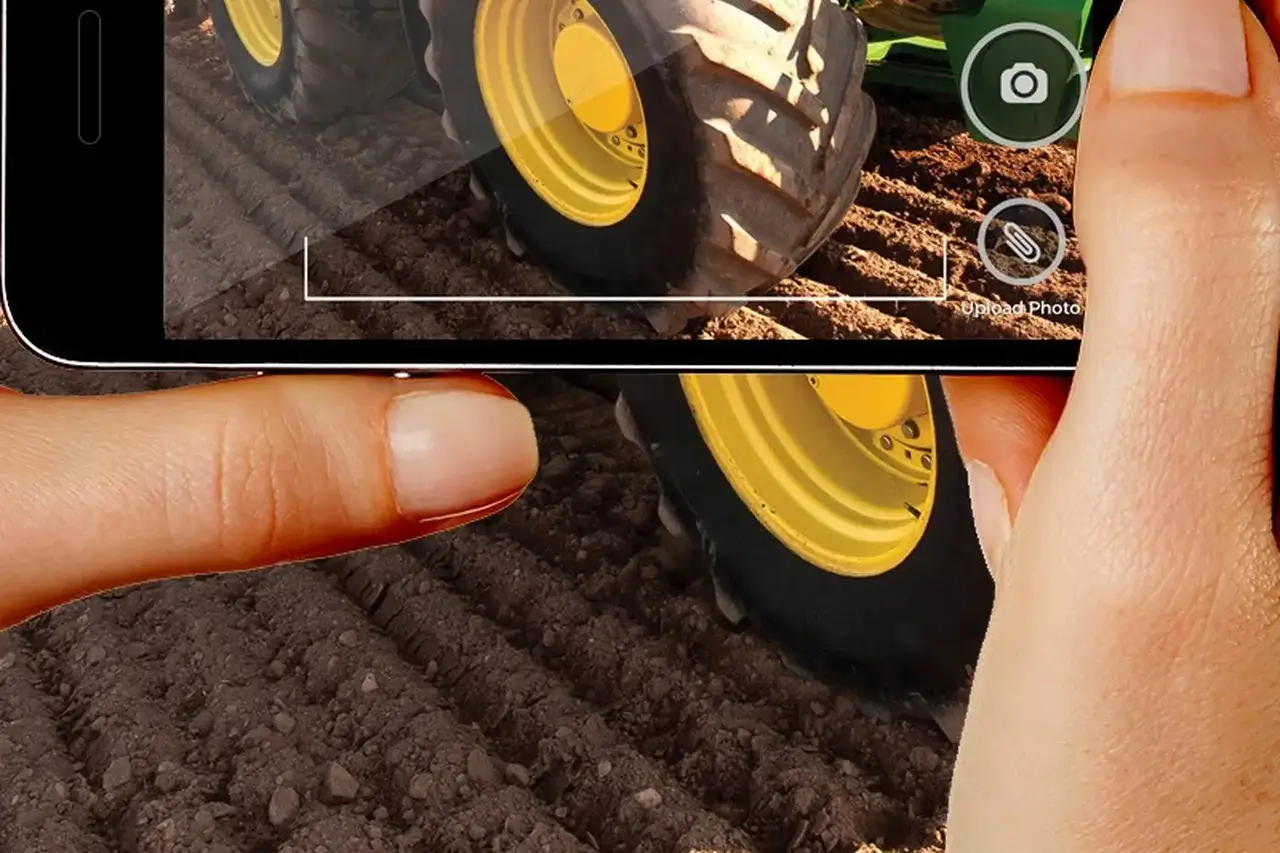
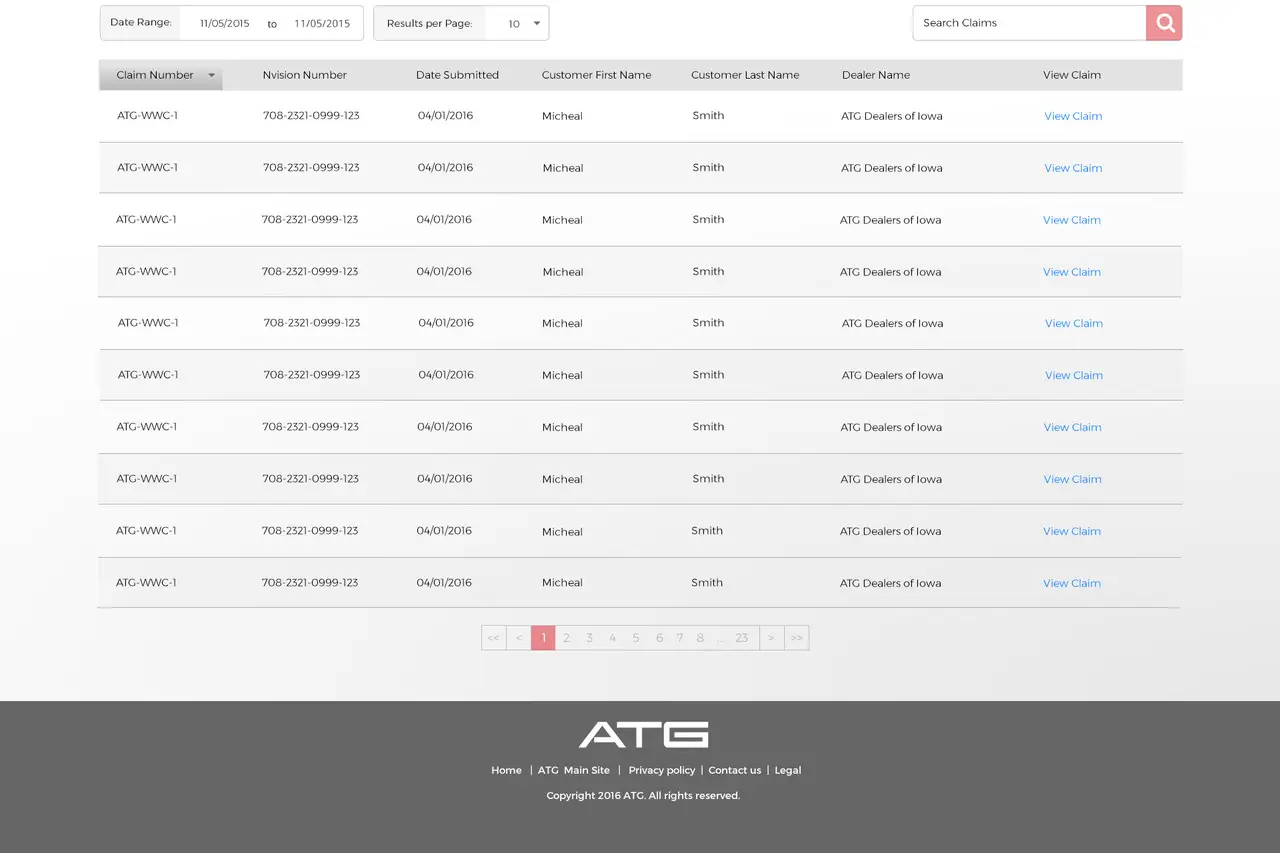
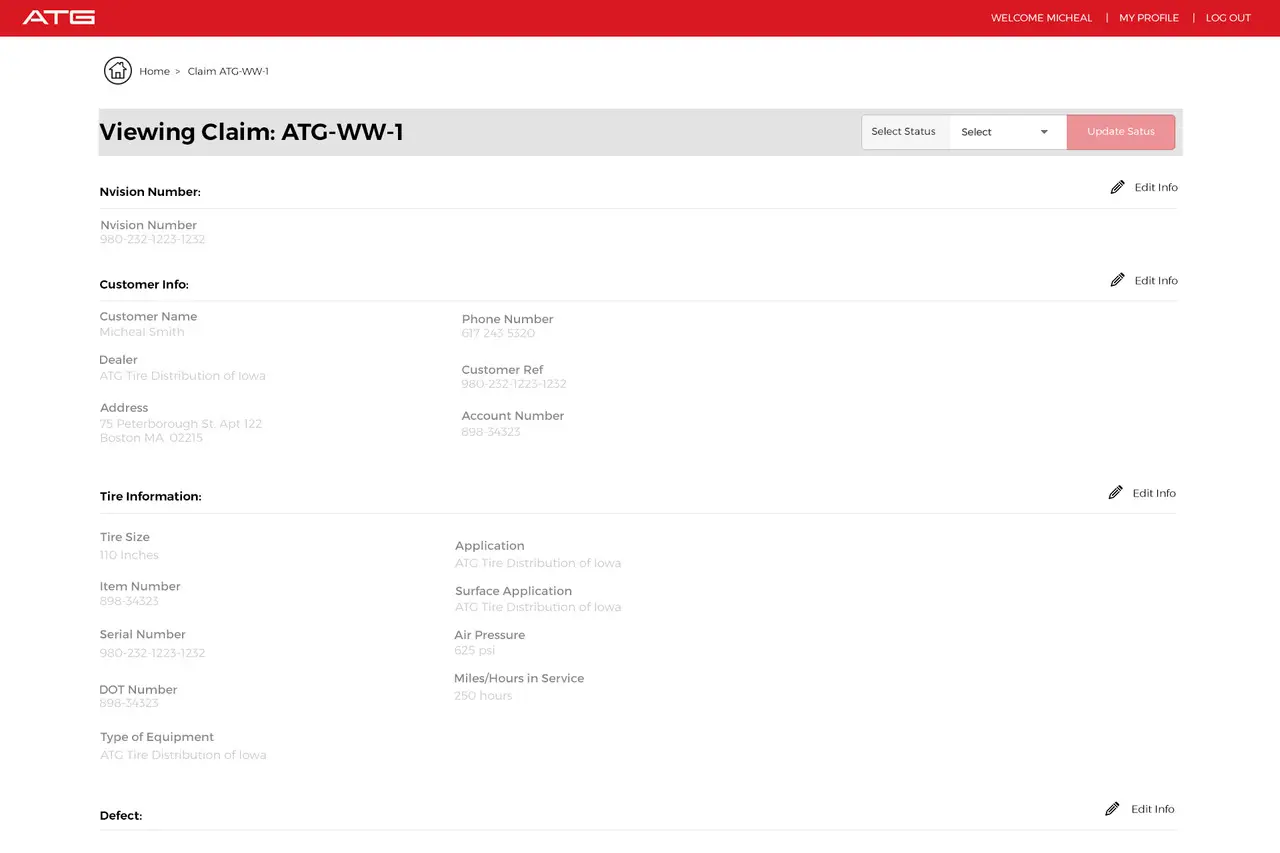
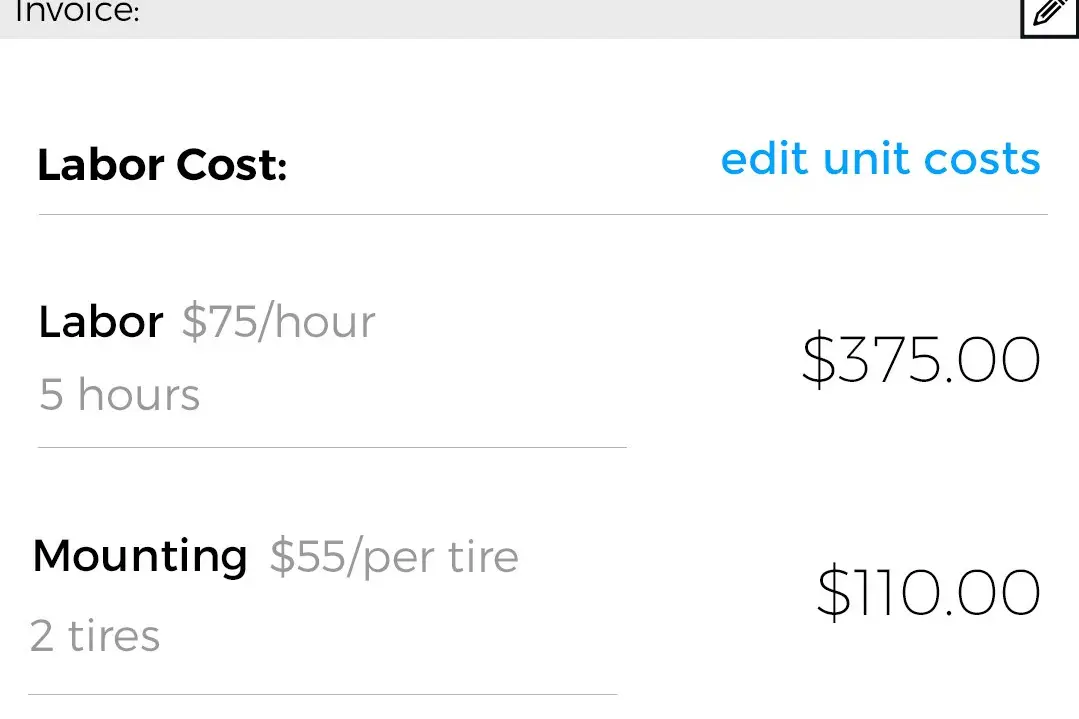
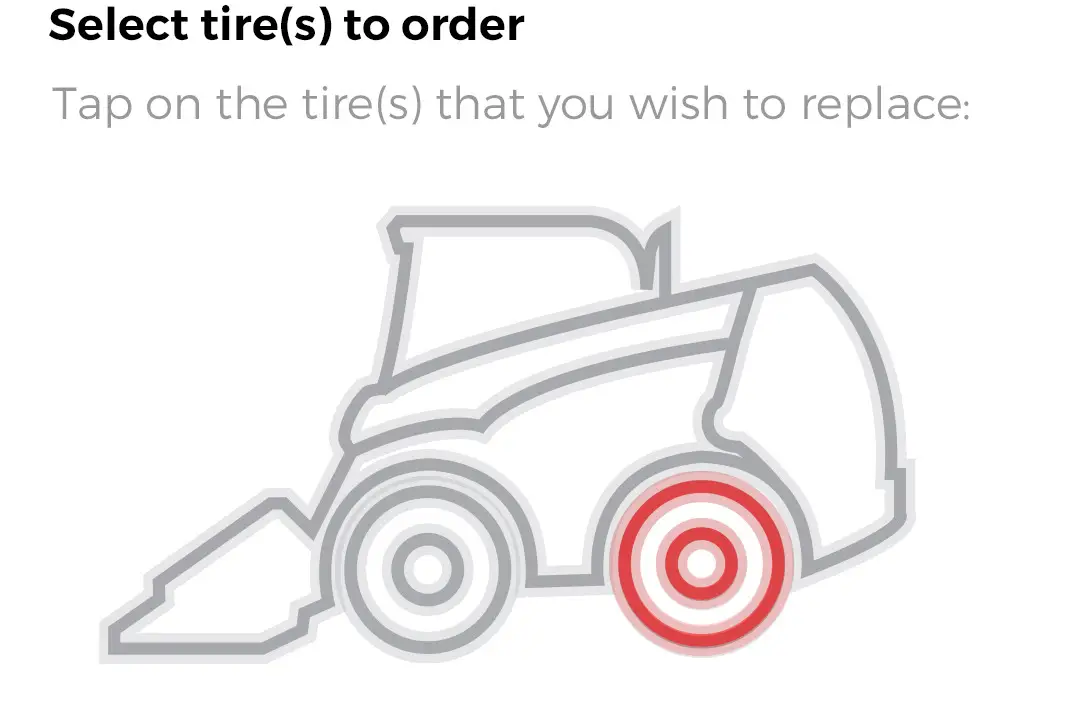
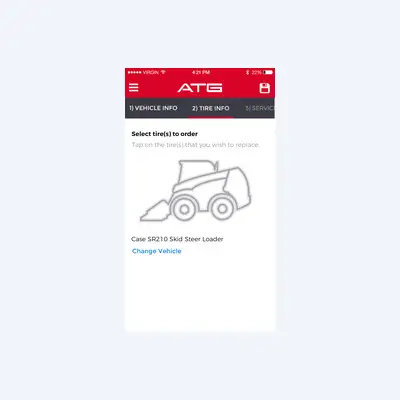
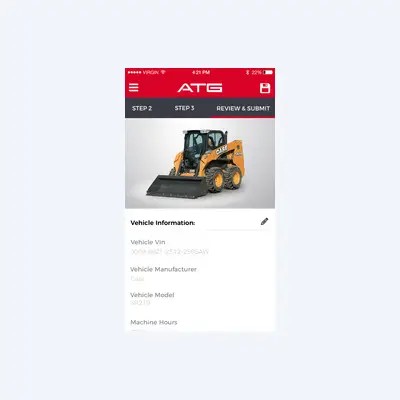
Then the Warranty Wizard: a native app for Yokohama’s warranty process, where a customer photographs the damaged tire and the app routes the claim to the right team inside the company, paired with a web portal the team works the claim in and a leadership dashboard tracking volume, dollar value and performance across the program. Alongside it, an ordering app that lets a dealer or an end customer scan a machine’s VIN, pick the tire off a diagram and see the cost line by line before submitting.
Now the dealer program, currently being built. A geo-targeted advertising and inventory-integration system that pulls live stock from each dealer’s inventory system and deploys campaigns to move the specific tires that dealer actually has on the floor, with performance-based perks for dealers with higher sell-through. Most channel programs blast a generic message; this one ties campaign activity to dealer-level inventory and outcomes.
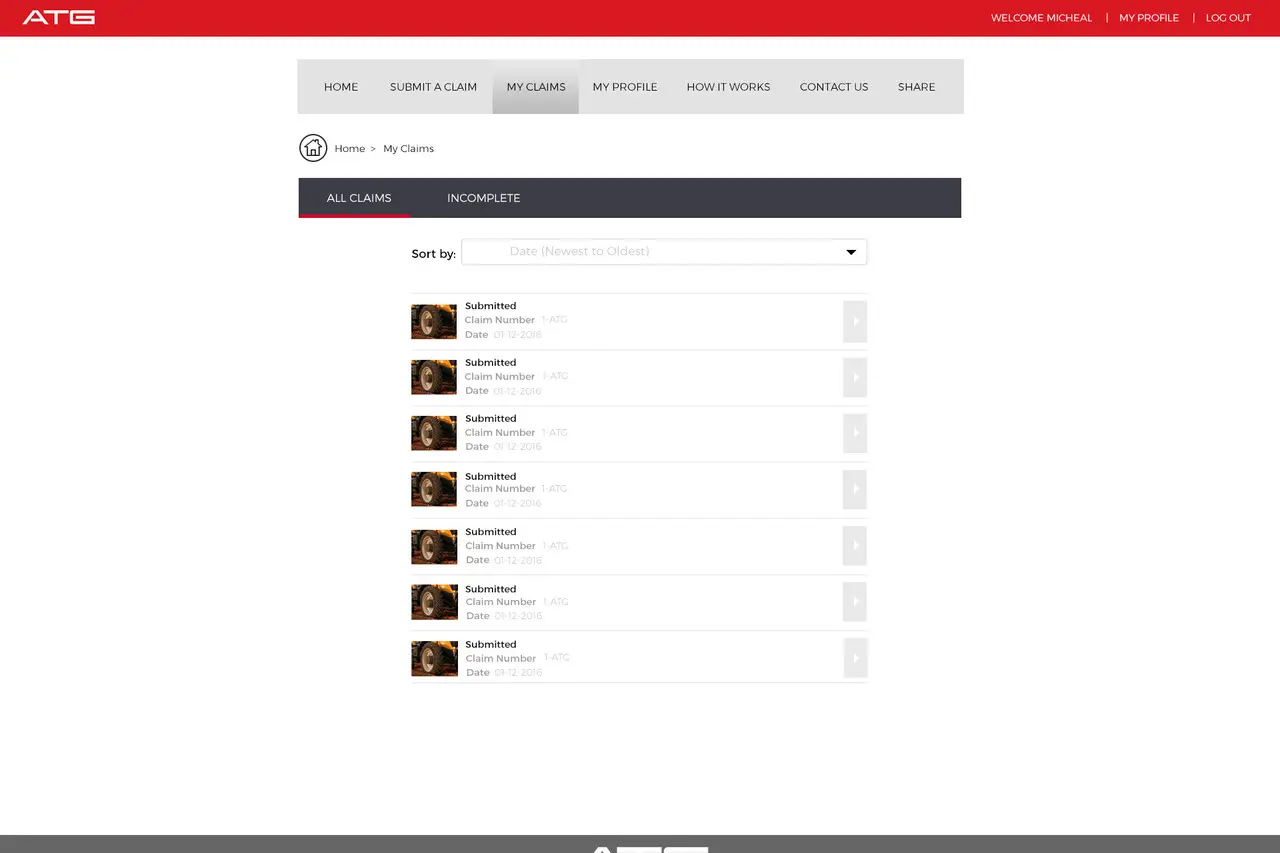
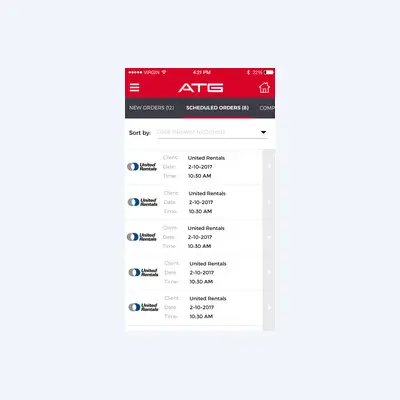
The Warranty Wizard is two products wearing one name: a native app the customer shoots the damaged tire with, and a web portal where the team inside Yokohama works the claim. Both had to feel like the same tool.
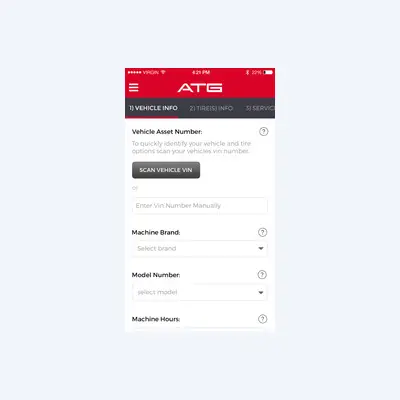
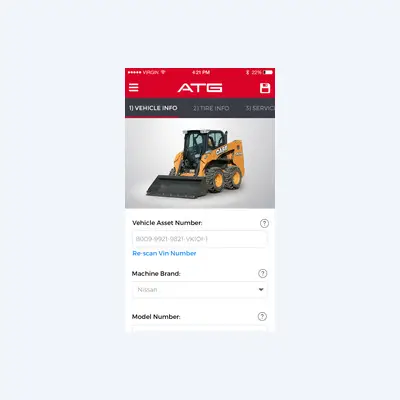
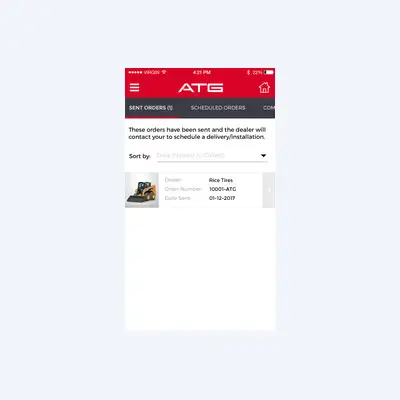
Dealers and end customers order from the same app in different modes. Scan the VIN, confirm the machine, tap the tire on the diagram, see the labor, mounting and disposal cost line by line, submit. The queue on the other side is the dealer’s.
The hub is the program this whole engagement was built on, and the one we have no screenshot of. It runs on Yokohama’s own domain, and the site around it has been redesigned since without us; putting somebody else’s current chrome on this page would be claiming work that is not ours. So the number above is the argument, and the hub is the only part of this engagement you have to take on the copy alone.
The content hub pulls millions of views per month and hundreds of thousands of clicks, from forestry crews, farmers, loggers and construction operators researching tire decisions on their own terms. These are the buyers a LinkedIn campaign or a display network cannot find. The hub is how Yokohama meets them.
Ten-plus years in, the engagement has outlasted multiple Yokohama org cycles. The Warranty Wizard is moving claims faster and building customer-side trust in a category where warranty fatigue is real. The dealer program is the next layer: pulling live inventory data and tying campaign activity to dealer-level sell-through, closing an attribution loop that has been the open question in industrial channel marketing for as long as it has existed.
About a decade of B2B content that reaches buyers paid ads can’t.
For B2B and industrial brands whose buyers do not live on paid social: built to compound for years, not quarters.